

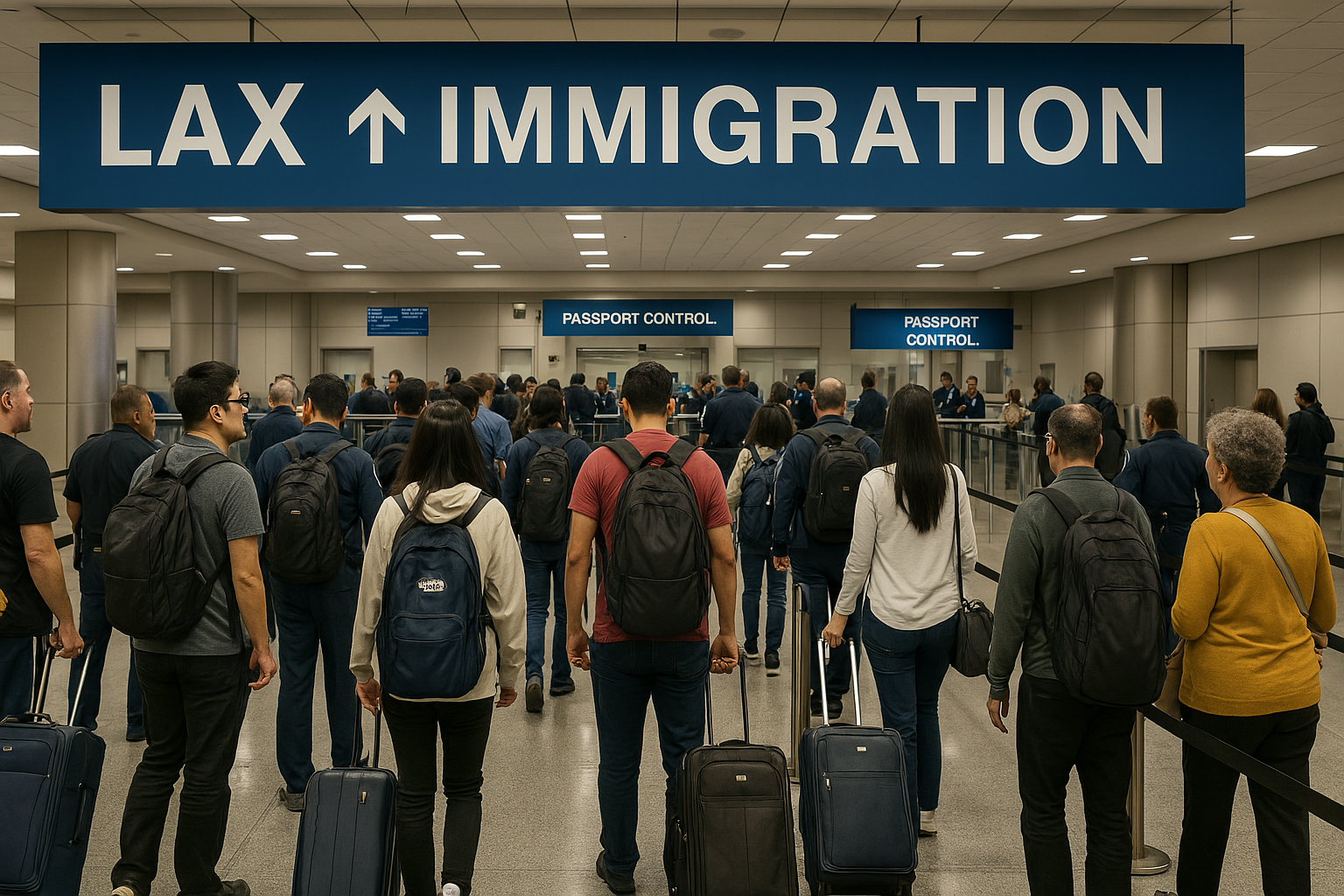
Amid a backdrop of changing U.S. immigration policies, international students, researchers, and visitors are urged to exercise caution when planning travel abroad. Heightened scrutiny at borders, shifting visa requirements, and evolving travel bans may pose unforeseen challenges upon reentry. The CSU recommends consulting official advisories and university resources before departing the U.S.
As international travel picks up ahead of summer break, the California State University (CSU) system is urging faculty, staff, and students to proceed with extreme caution when planning trips abroad.
In a two-page guidance issued this month, the CSU highlighted growing concerns over rapidly changing immigration policies, visa uncertainties, and global security risks that could affect travelers’ ability to return to the United States.
“Travel conditions are evolving daily,” the advisory reads. “Students and employees are strongly encouraged to carefully evaluate the necessity of international travel at this time.”
Among the top concerns outlined are increased visa scrutiny, unpredictable border control procedures, and possible delays in re-entry. Travelers on non-immigrant visas such as F-1, J-1, or H-1B may experience longer wait times, especially if visiting countries under diplomatic strain with the U.S.
The CSU also warns of proposed federal restrictions that could impact travelers from up to 40 countries, including full or partial visa suspensions affecting nations such as Iran, Cuba, Eritrea, and Myanmar.
“Even travel that seems straightforward can be disrupted by new executive orders or changes in Department of Homeland Security protocols,” said a CSU risk management representative who asked not to be named due to the sensitivity of the topic. “We’re urging the campus community to check the latest travel advisories and talk to their departments before committing to plans.”
The advisory encourages travelers to consult trusted sources like the U.S. Department of State’s travel advisories, the Centers for Disease Control and Prevention (CDC), and the websites of U.S. embassies in destination countries.
International students, in particular, are advised to ensure all travel documents are current, including valid passports, visas, and signed Form I-20 or DS-2019 documents. They are also encouraged to carry proof of university enrollment and financial support when traveling.
For CSU employees planning university-related trips, prior approval from their campus president or designee is required. Those traveling to countries designated as Level 4 “do not travel” by the U.S. State Department must seek additional authorization from the Office of the Chancellor.
The CSU continues to provide free legal immigration services through Immigrant Legal Defense (ILD) for those needing further guidance.
As global events unfold and U.S. immigration policies shift, the CSU emphasizes that the decision to travel is ultimately a personal one—but one that should be made with full awareness of the potential risks involved.
For more information, students and staff are encouraged to contact the CSUSB Risk Management Office or International Students and Scholars office.
