

A growing controversy surrounding the Los Angeles Unified School District (LAUSD) has sparked statewide concerns over transparency, accountability, and the integrity of public education funding. After a lawsuit alleged the misuse of nearly $1 billion in voter-approved arts education funds, lawmakers are calling for a full-scale audit—raising important questions for school districts across California, including those in the Inland Empire.
On April 1, 2025, Assemblymember Isaac Bryan (D-Inglewood) formally requested a state audit of LAUSD following explosive allegations that the district failed to comply with the terms of Proposition 28. The 2022 measure, passed by nearly 70% of voters in Los Angeles County, mandates that California schools dedicate substantial funding to arts education, specifically requiring that 80% of funds be used to hire new arts educators. However, the lawsuit—backed by former LAUSD Superintendent Austin Beutner and supported by a coalition of Hollywood figures and the teachers’ union—claims that LAUSD spent its first $77 million installment from Proposition 28 without hiring any new teachers. Instead, the funds allegedly went toward paying existing staff, effectively subverting the measure’s intent.
While the legal dispute centers on LAUSD, its implications extend far beyond Los Angeles. Inland Empire school districts—including San Bernardino City Unified, Fontana Unified, and Riverside Unified—also receive Proposition 28 funding. As the state prepares to scrutinize one of its largest school systems, local parents, educators, and taxpayer advocates are demanding clarity on how their districts are allocating these dedicated funds.
“This audit is a wake-up call for every school district in California,” said Dr. Eliza Ramirez, a public education researcher at UC Riverside. “When nearly a billion dollars is at stake, and voters are being misled, every district needs to show that it’s honoring its promises.”
Data from the California Department of Education shows that many Inland Empire districts received millions from Proposition 28 in the 2023–2024 academic year. Yet few have made public how they have spent those funds or whether they have hired new arts teachers as required. For students across the Inland Empire, the promise of expanded arts education remains largely unfulfilled. At Cajon High School in San Bernardino, senior Lydia Nunez said her school has yet to add a single new arts course since the passage of Proposition 28.
“We were told this money would bring us new classes—music, drama, even ceramics—but nothing has changed,” she said. “We still have one part-time art teacher for the whole campus.”
Teachers have echoed these frustrations. One elementary school art specialist in Riverside, who asked to remain anonymous for fear of professional repercussions, said she was told to “stretch resources” and rely on donations for supplies. “There’s no evidence that we’ve received anything extra. If anything, we’re expected to do more with less,” she said.
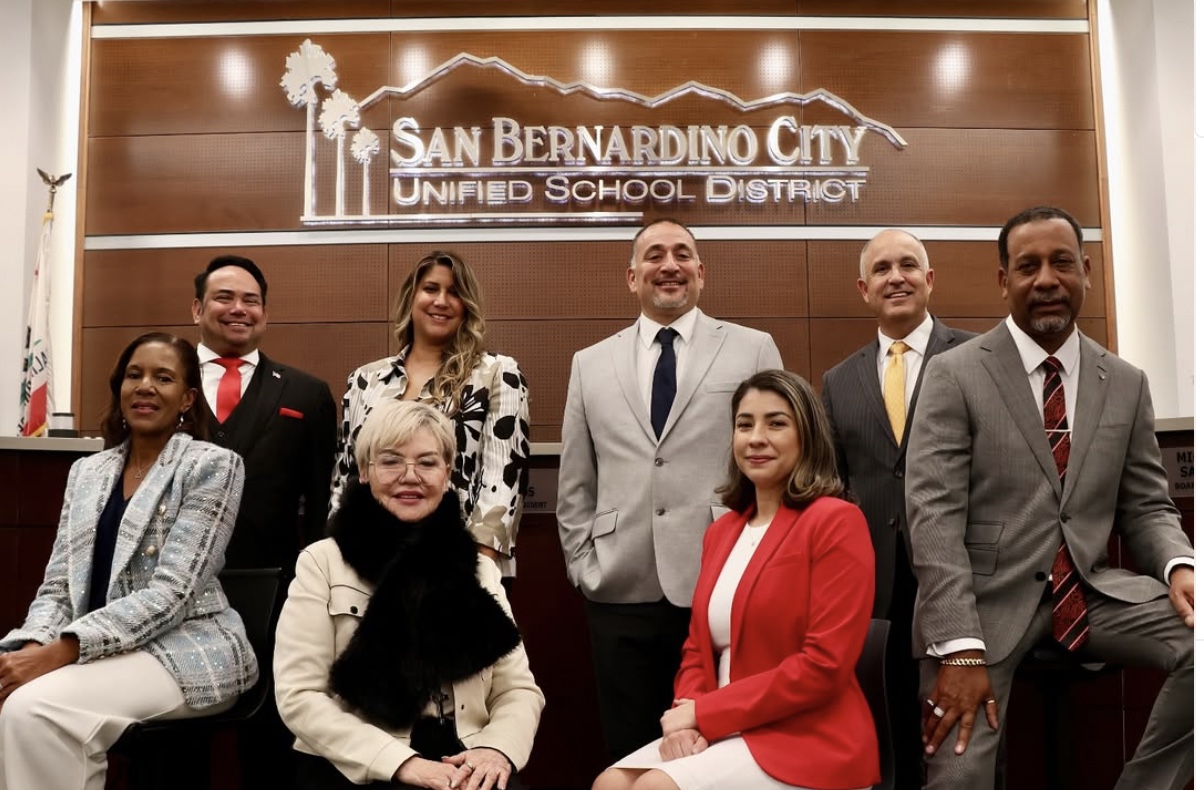
In contrast, some districts like Long Beach Unified have reported hiring more than 150 new arts educators with their Proposition 28 funds. These disparities raise critical questions about how equitably and effectively the measure is being implemented across the state. While LAUSD faces mounting legal and political pressure, districts across the Inland Empire have remained relatively quiet. When contacted for comment, San Bernardino City Unified stated that they are “conducting an internal review to ensure full compliance with Proposition 28,” but declined to provide specific figures. Riverside Unified issued a similar response, claiming that all funds have been used “in accordance with state guidelines,” without offering public documentation.
Such opacity has fueled growing calls for local audits and public hearings.
“Transparency isn’t optional—it’s essential,” said Michelle Navarro, a Fontana-based parent and education advocate. “Voters supported Prop 28 because they believed in arts education. If that money is being misused or withheld, we deserve to know.”
Assemblymember Bryan’s call for an audit may only be the beginning. Education watchdog groups are now urging the State Auditor’s office to review additional districts to ensure Proposition 28 is being implemented as intended. The controversy surrounding Proposition 28 highlights broader concerns about educational equity and the role of arts in public education. For historically underfunded districts in the Inland Empire, arts programs are a critical component of student engagement and development.
“Arts education improves cognitive function, emotional well-being, and even test scores,” said Dr. Kylie Peppler, a policy analyst with the California Education Partnership. “When districts fail to deliver on this promise, the students who lose out are often those who need these programs the most.”
As more districts come under scrutiny, the Inland Empire may soon be at the center of a broader push for educational reform—one that reaffirms the importance of transparency, community oversight, and a renewed investment in the arts. The California State Auditor has not yet announced whether the request for an LAUSD audit will be granted. In the meantime, local communities are preparing to demand more information from their school boards. Public records requests are being filed, advocacy groups are mobilizing, and the conversation about funding transparency is just beginning.
For Inland Empire students, the stakes are high. “We need the arts,” said Cajon High’s Lydia Nunez. “We need to know that our voices matter—and that promises made to us aren’t just forgotten after the election.”
